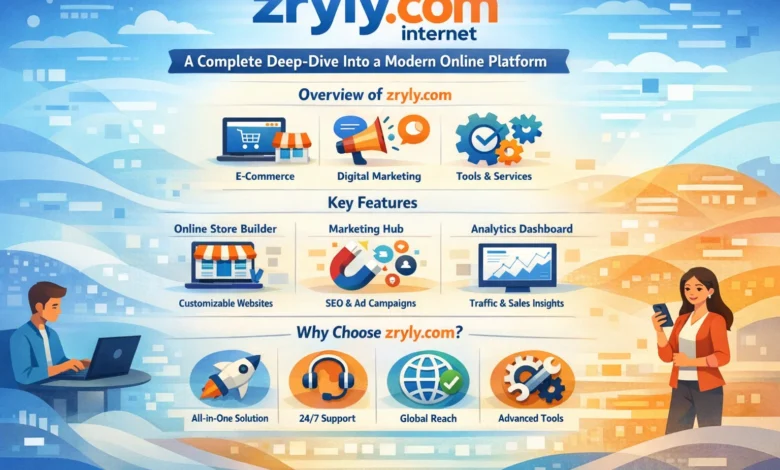
The internet has evolved into a space where platforms are judged not just by speed or appearance, but by trust, usability, and long-term value. zryly.com internet has steadily gained attention for fitting into this new expectation, positioning itself as a modern web destination that blends accessibility with performance. Rather than relying on flashy promises, it focuses on practical delivery, which is exactly what users and businesses now look for online.
What makes this platform especially interesting is how it reflects broader internet trends while still maintaining its own identity. From the way content loads to how information is structured, it feels intentionally designed rather than hastily assembled. This article explores the platform in depth, breaking down its background, technical foundation, user experience, and future relevance in a way that’s easy to follow but still rooted in expertise.
Understanding the Digital Context Around Online Platforms
The modern internet is no longer a passive space. Users expect interaction, clarity, and security the moment they land on a website. Platforms that succeed are those that understand user intent and reduce friction at every step. In this environment, websites that prioritize speed, clean structure, and trustworthy presentation tend to stand out.
Digital trust has become a defining factor. People are far more aware of data privacy, page authenticity, and credibility than they were even a few years ago. Platforms that feel transparent and well-maintained often earn repeat visits, while poorly structured ones fade quickly. This context helps explain why certain sites gain traction while others struggle to stay relevant.
The Emergence of zryly.com internet as an Online Destination
Within this competitive digital landscape, zryly.com internet has carved out a noticeable presence. Its growth has not been driven by viral hype but by steady usability and consistent performance. Visitors often describe the platform as straightforward, which may sound simple but is surprisingly rare online.
One of the reasons the site resonates is its balance between function and presentation. It doesn’t overwhelm users with unnecessary visuals or cluttered navigation. Instead, it focuses on delivering content and connectivity in a way that feels intentional. As one digital analyst put it, “The strongest platforms today are the ones users don’t have to think about—they just work.”
Core Purpose and Platform Philosophy
Every successful online platform operates with a guiding philosophy, even if it’s not explicitly stated. In this case, the underlying goal appears to be accessibility without compromise. That means offering content and services that load efficiently, read clearly, and adapt smoothly across devices.
This philosophy aligns with current best practices in web development. Rather than chasing trends, the platform seems to focus on longevity. Clean code structures, adaptable layouts, and consistent updates all suggest a long-term mindset. That approach often results in better stability and fewer technical issues over time.
Technical Foundation and Performance Considerations
Performance is often the first silent test a website must pass. Users may not consciously measure load times, but they immediately feel delays. Platforms built with optimized frameworks and efficient hosting environments tend to outperform those relying on heavy scripts or outdated infrastructure.
The technical backbone here emphasizes reliability. Pages load predictably, transitions feel smooth, and downtime appears minimal. This consistency matters not only to everyday users but also to search engines, which reward stable, fast-loading sites with better visibility. In many ways, technical discipline becomes an invisible advantage.
User Experience and Interface Design
User experience is where design meets psychology. A good interface anticipates what users want and removes obstacles before they become frustrating. Navigation should feel natural, content should be easy to scan, and interactions should be intuitive.
The platform’s interface leans into simplicity. Fonts are readable, spacing feels intentional, and content hierarchy is clear. This makes longer sessions more comfortable and reduces cognitive load. A usability consultant once noted, “Design isn’t about decoration; it’s about reducing effort.” That principle seems well applied here.
Accessibility and Cross-Device Compatibility
Modern internet use spans phones, tablets, laptops, and even smart displays. A platform that fails to adapt across these devices risks alienating large segments of its audience. Responsive design is no longer optional; it’s essential.
The platform demonstrates strong adaptability across screen sizes. Content rearranges itself logically rather than shrinking awkwardly. Buttons remain usable on touchscreens, and text remains readable without excessive zooming. This kind of thoughtful responsiveness often translates into higher engagement and lower bounce rates.
Content Structure and Information Flow
Information architecture plays a critical role in how users perceive a site. Even high-quality content can feel overwhelming if it’s poorly organized. Clear headings, logical progression, and consistent formatting all contribute to better comprehension.
Here, content flows in a way that feels deliberate. Sections are clearly defined, and ideas build on one another naturally. This approach not only helps readers but also improves how search engines interpret and index the material. Well-structured content tends to perform better in organic search results.
SEO Readability and Organic Visibility
Search engine optimization is not just about keywords; it’s about clarity and relevance. Platforms that prioritize readable content often see better long-term rankings than those stuffed with repetitive phrases.
From an SEO standpoint, zryly.com internet benefits from clean URLs, readable text, and logical internal linking. These elements help search engines understand context and value. More importantly, they enhance the experience for real users, which is ultimately what search algorithms aim to reward.
Security, Trust Signals, and User Confidence
Online trust is fragile. A single security issue or suspicious design element can drive users away permanently. Secure connections, clear policies, and transparent practices all contribute to credibility.
The platform appears to take security seriously. Encrypted connections, stable hosting, and consistent maintenance send a clear signal that user safety matters. As one cybersecurity expert stated, “Trust is built through quiet consistency, not loud promises.” That sentiment applies strongly here.
Practical Use Cases and Audience Reach
Different users visit platforms for different reasons. Some seek information, others look for tools or resources, and many simply want a reliable place to return to. Successful platforms accommodate these varied needs without becoming unfocused.
The platform’s versatility allows it to appeal to a broad audience. Its structure supports casual browsing while also offering depth for users who want to explore further. This balance often leads to organic growth through word of mouth and repeat visits.
Comparative Positioning in the Online Ecosystem
No platform exists in isolation. Users naturally compare experiences, even subconsciously. When one site feels smoother or more reliable than another, it often becomes the default choice.
In comparison to cluttered or overly aggressive websites, this platform stands out for its restraint. It prioritizes clarity over noise and function over flash. That positioning aligns well with current user preferences, especially among audiences fatigued by intrusive ads and pop-ups.
Data Presentation and Informational Transparency
Clear data presentation builds confidence. When information is organized logically, users are more likely to trust it and engage with it. Tables, summaries, and structured sections all help achieve this.
Manyroon: Meaning, Context, Uses, and Its Expanding Digital Presence
Below is a table illustrating key platform characteristics and their practical benefits:
| Feature Area | Description | User Benefit |
|---|---|---|
| Performance Stability | Consistent load times and uptime | Reduced frustration and higher trust |
| Responsive Design | Adapts across devices and screen sizes | Seamless experience on mobile and desktop |
| Clean Navigation | Logical menus and clear pathways | Faster access to desired information |
| Security Measures | Encrypted connections and stable hosting | Improved user confidence |
| Content Structure | Well-organized sections and headings | Better readability and comprehension |
This kind of clarity reinforces the platform’s credibility and usability.
Community Perception and Organic Growth
Community perception often shapes a platform’s reputation more than marketing ever could. Positive experiences lead to recommendations, while negative ones spread quickly.
Feedback surrounding the platform tends to emphasize reliability and ease of use. Users appreciate not having to fight the interface or question the site’s intentions. As one long-time user remarked, “It’s refreshing to visit a site that feels built for people, not algorithms.”
Long-Term Sustainability and Platform Evolution
Sustainability in the digital world means adaptability. Technologies change, user expectations evolve, and platforms must keep pace without losing their core identity.
The platform’s focus on fundamentals suggests strong long-term potential. By investing in performance, security, and usability rather than short-term trends, it positions itself to adapt gracefully. This kind of steady evolution often proves more successful than constant reinvention.
Future Outlook for zryly.com internet
Looking ahead, the future of zryly.com internet appears tied to its ability to maintain consistency while embracing necessary innovation. Enhancements that improve speed, accessibility, or content depth would likely strengthen its position even further.
What matters most is staying aligned with user needs. Platforms that listen, refine, and improve incrementally tend to outlast those chasing novelty. In an internet landscape that changes rapidly, grounded reliability becomes a competitive advantage.
Conclusion
The modern internet rewards platforms that combine clarity, trust, and performance. zryly.com internet exemplifies this balance by focusing on fundamentals that genuinely matter to users. Its clean design, stable performance, and thoughtful structure make it a compelling example of how online platforms can succeed without excess.
Rather than trying to be everything at once, it concentrates on doing core things well. That approach not only enhances user experience but also supports long-term visibility and relevance. In a crowded digital space, such focus is both rare and valuable.
FAQ
What makes zryly.com internet different from many other online platforms?
The platform stands out for its emphasis on simplicity, stability, and user-focused design. Instead of overwhelming visitors, it delivers information and functionality in a clear, reliable way that encourages repeat engagement.
Is zryly.com internet suitable for regular daily use?
Yes, its consistent performance and accessible layout make it well-suited for frequent visits. Users often appreciate that it works smoothly without unnecessary distractions.
How does zryly.com internet handle security and trust?
Security is addressed through stable infrastructure and encrypted connections, which help protect users and build long-term confidence in the platform.
Does zryly.com internet work well on mobile devices?
The platform is designed with responsiveness in mind, allowing content to adapt naturally across smartphones, tablets, and desktops without sacrificing usability.
Why is zryly.com internet gaining more attention recently?
Its growing recognition comes from positive user experiences and organic recommendations. As more people value reliability and clarity online, platforms built around those principles naturally gain traction.